At first glance, these read as heavy, dramatic obsidian or cast iron. Hold a light to the ears, lips or the saddle, though, and the illusion breaks — a cloudy, smoky-grey translucency glows through the stone. This is natural, hand-carved Black Xiu Jade, and that internal glow is the tell that separates real jade from anything trying to imitate it.
Xiu Jade — more properly Xiuyan jade — comes from the Xiuyan region of Liaoning Province in northeastern China, a serpentine stone mined and carved there for thousands of years.Xiuyan Jade is a natural gemstone from Liaoning, China, with a history of thousands of years in Chinese culture, and it has been referred to as the "Glory of Ancient Jade" throughout that history. The black variety, sometimes called Ink Jade, ranges from grayish-black to a deep, glossy black, with its darkest tones typically the result of natural iron content locked into the stone.
The horses themselves draw on one of the most enduring images in Chinese art: the Tang Dynasty war horse. Horses held near-mythic status under the Tang court (618–907 CE), prized as symbols of imperial power, wealth, and military might, with the finest "heavenly horses" imported at extraordinary cost from Central Asia.
A true matching pair in this material is genuinely hard to come by. At 6" x 7" each, they're sized perfectly for a styled bookshelf, mantle, or console — dramatic on their own, and unmistakably a pair when placed together.
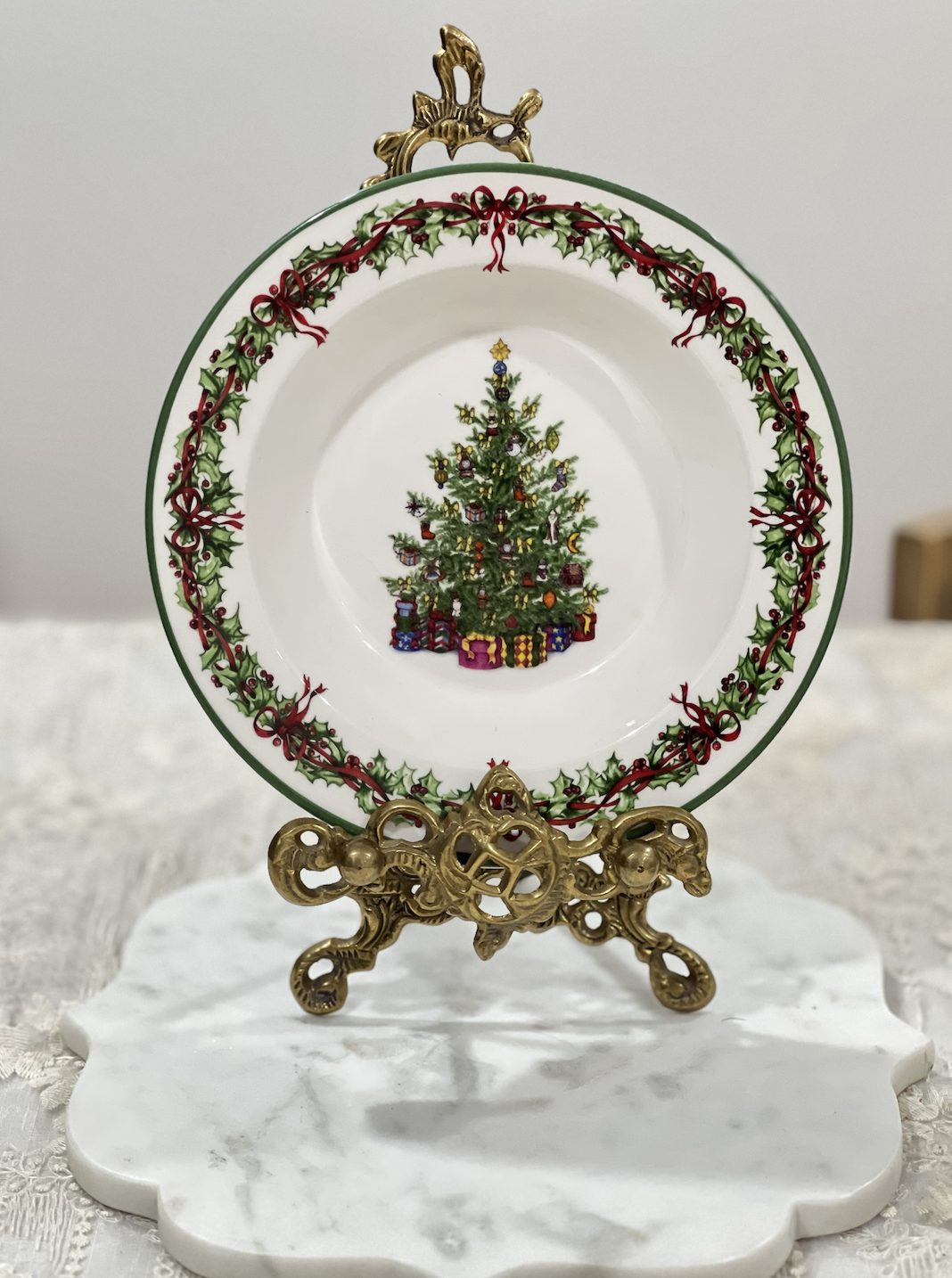
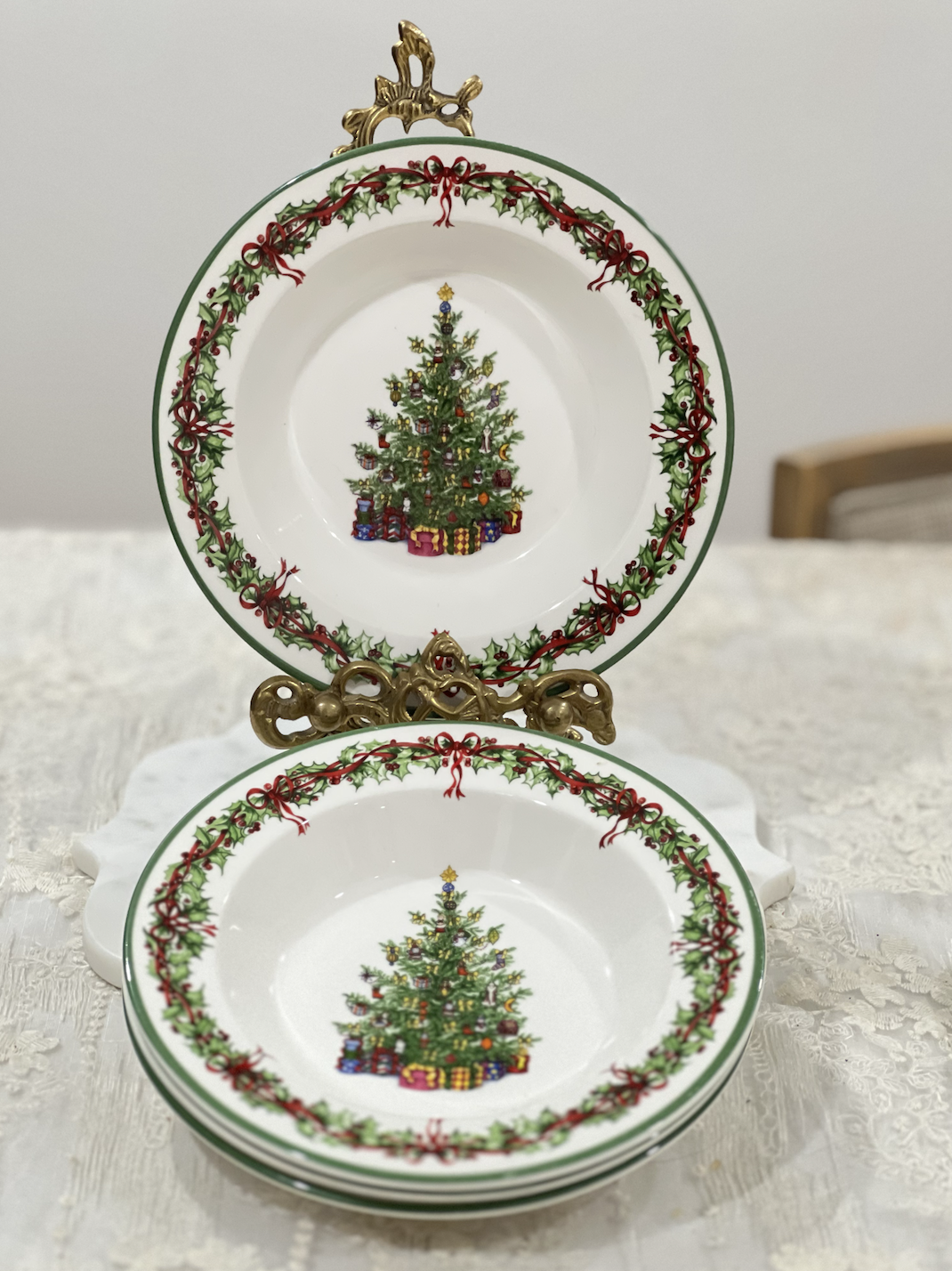
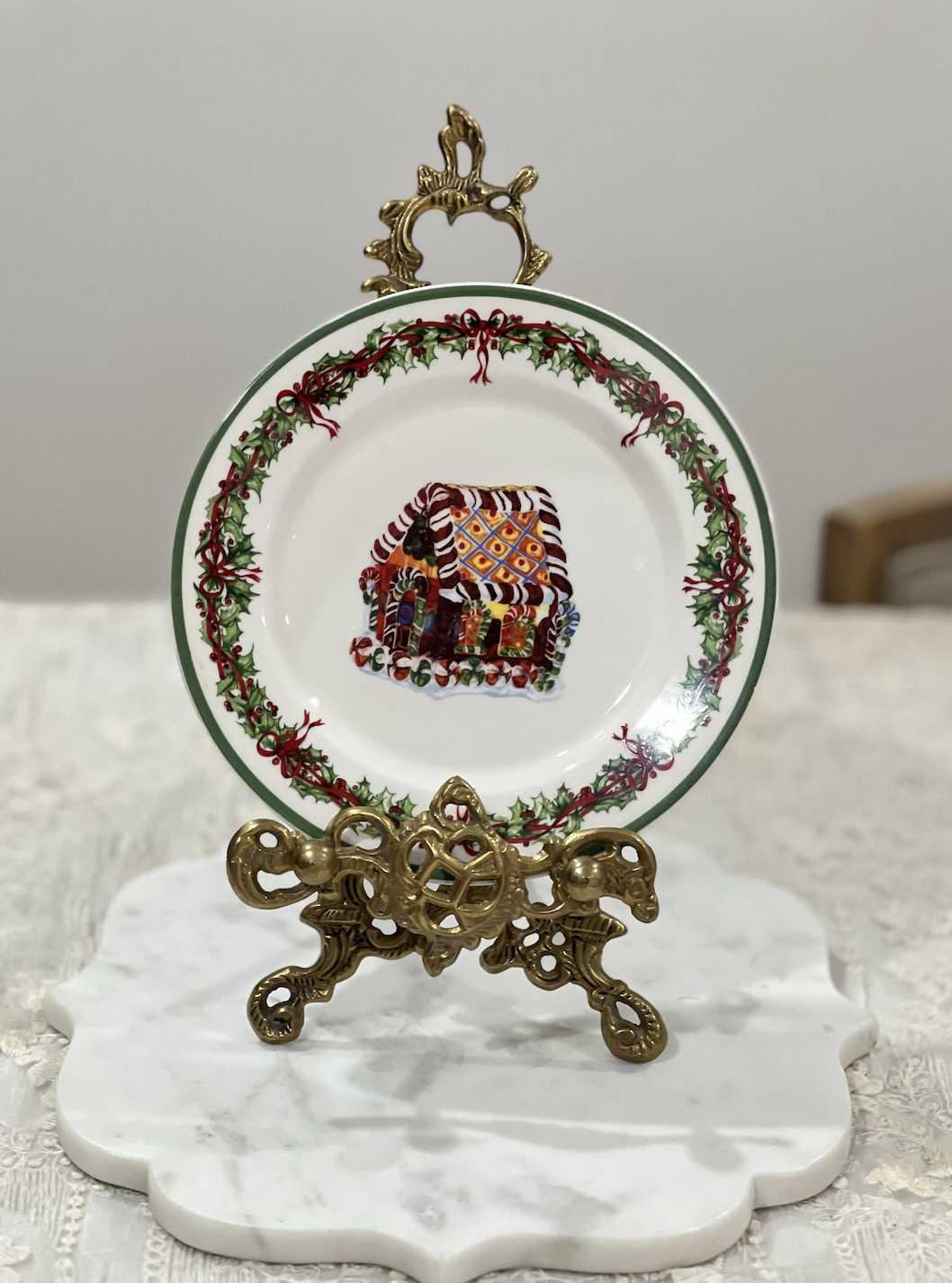
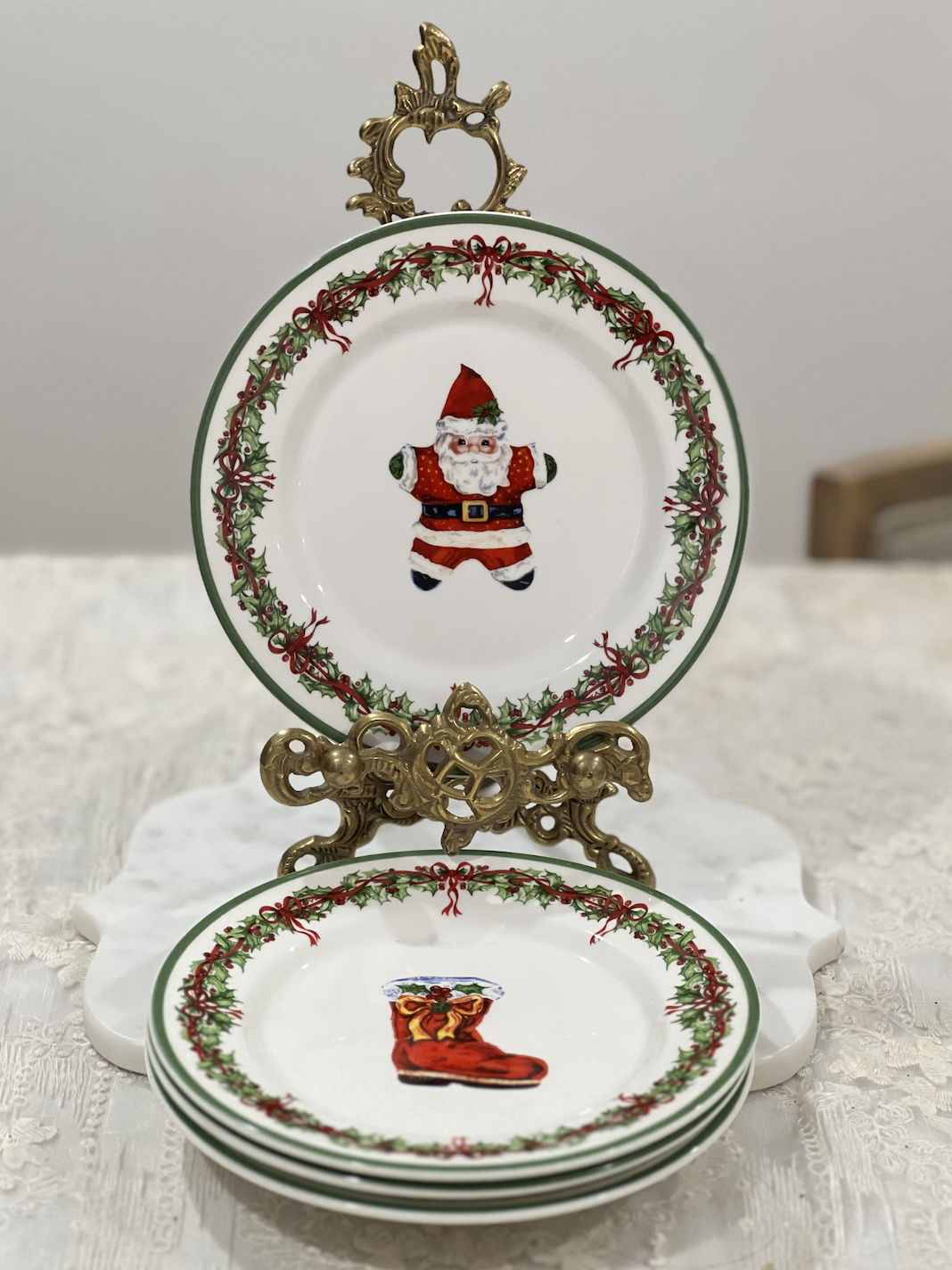
Other items pictured not included. Sold separately.
Tucked inside every set, a little something for first time Tavola customers — a hand-finished vintage passport notebook. Note the piece, the moment, the person you gave it to. One day these pieces will sit in someone else's hands — and they'll know it came from yours.
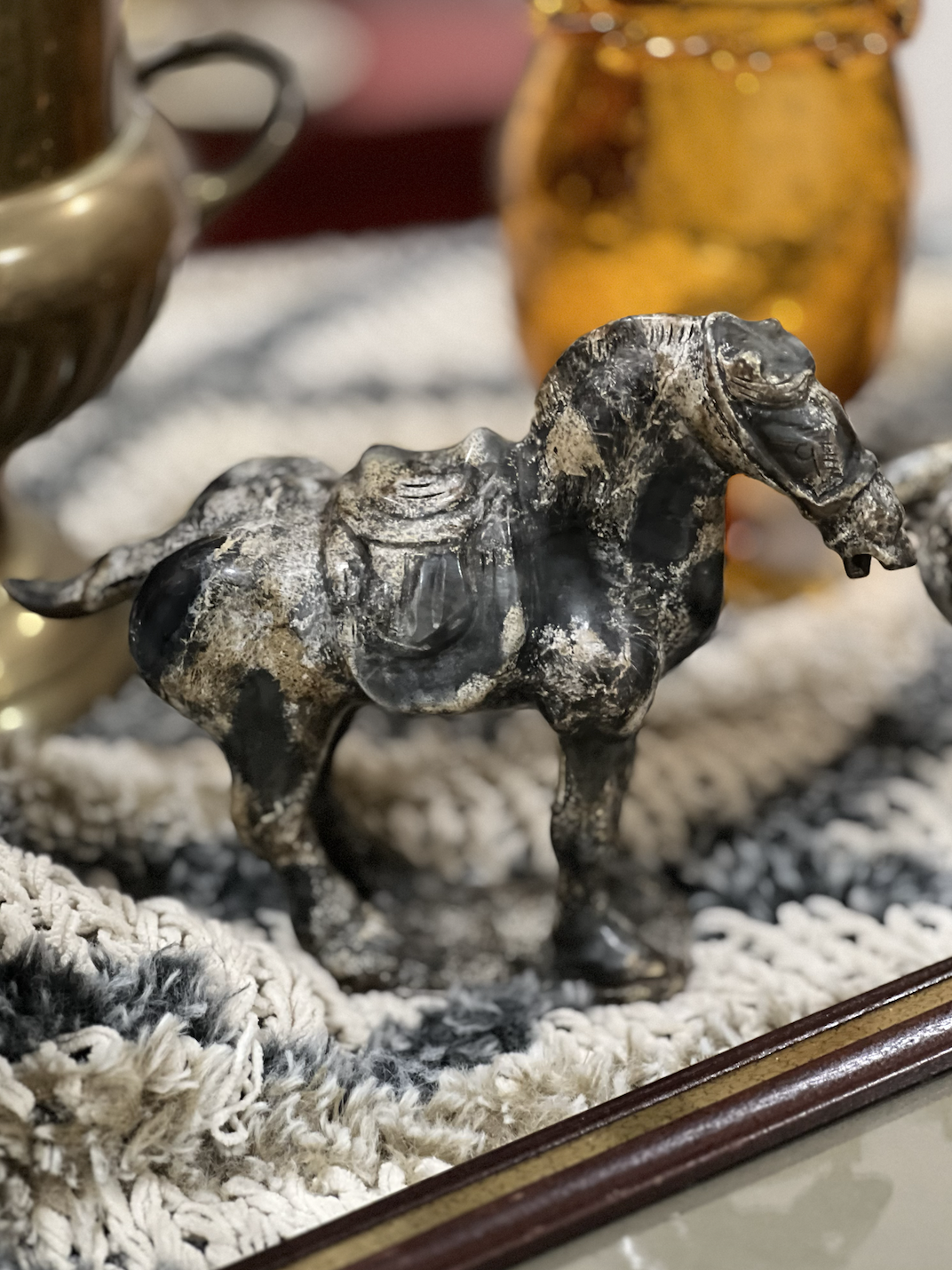 Image 1 of 4
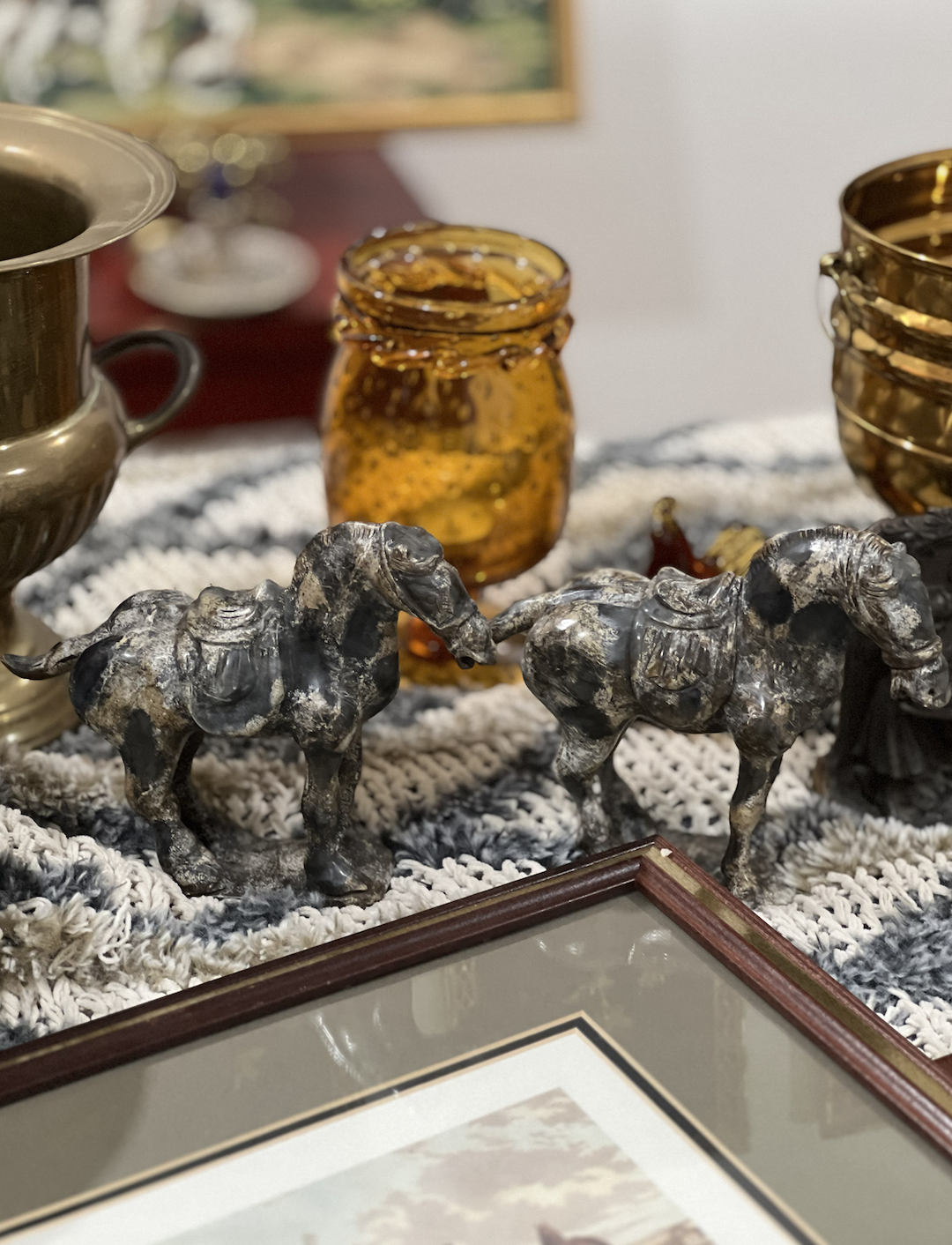 Image 2 of 4
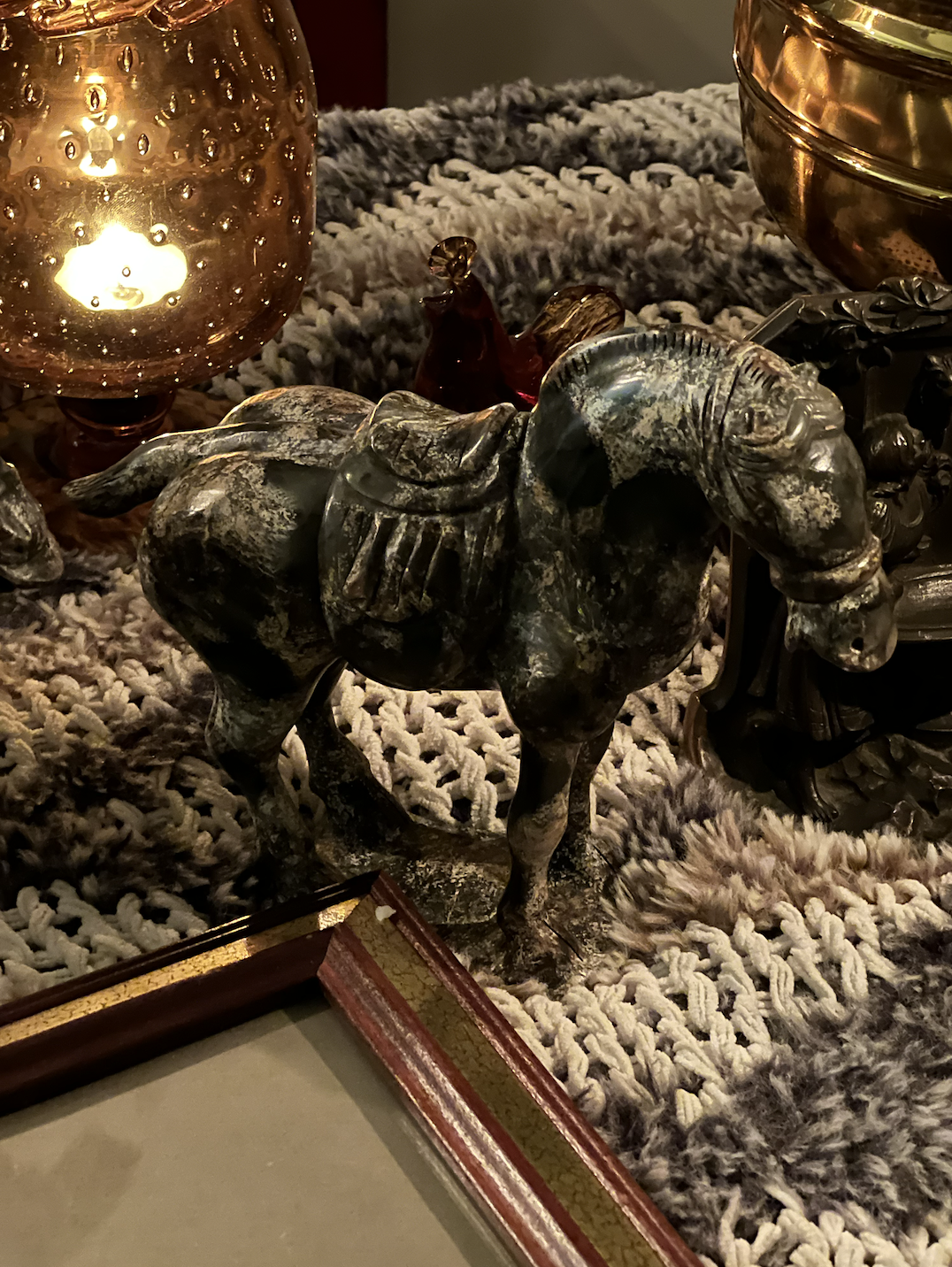 Image 3 of 4
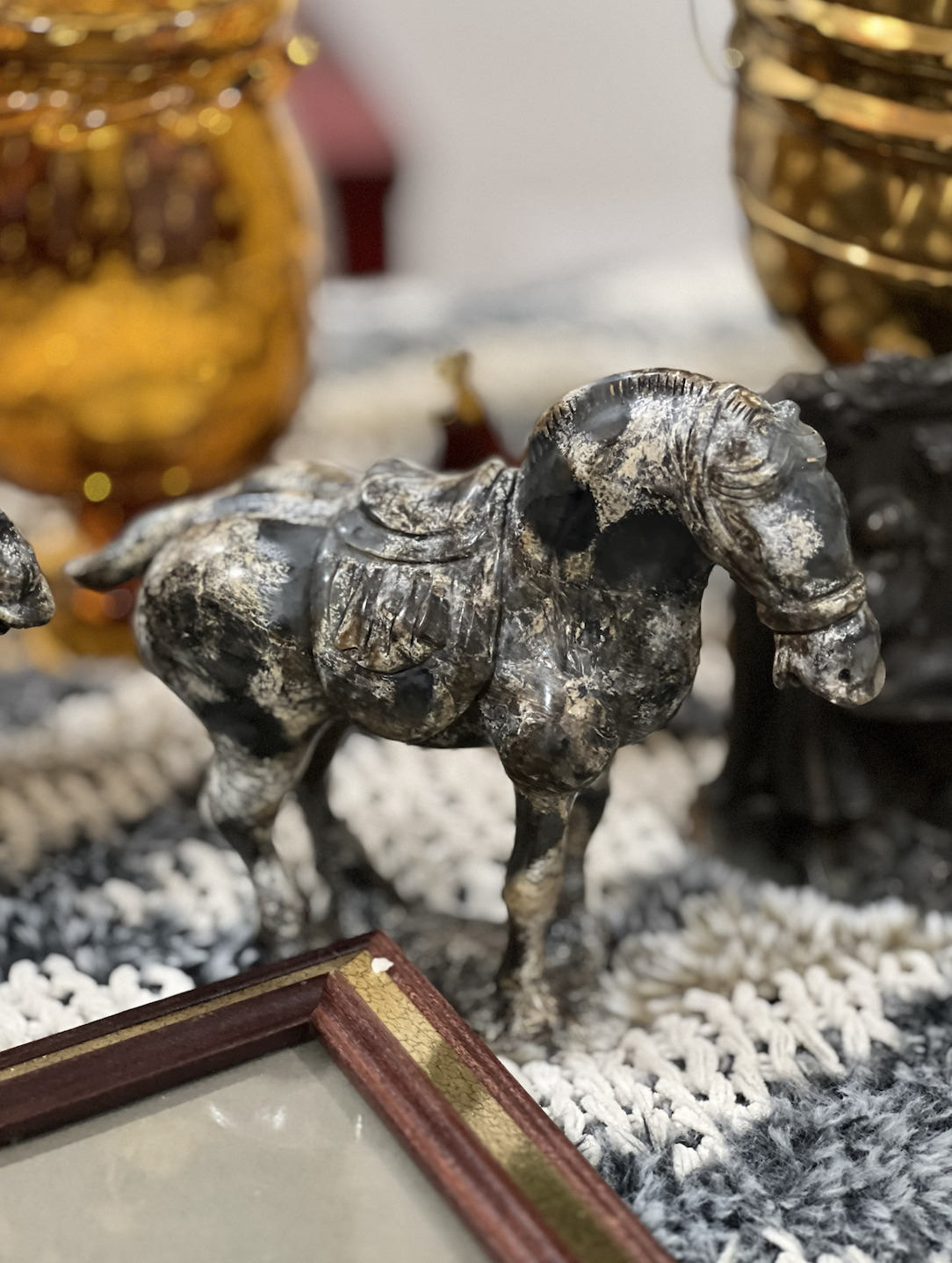 Image 4 of 4